

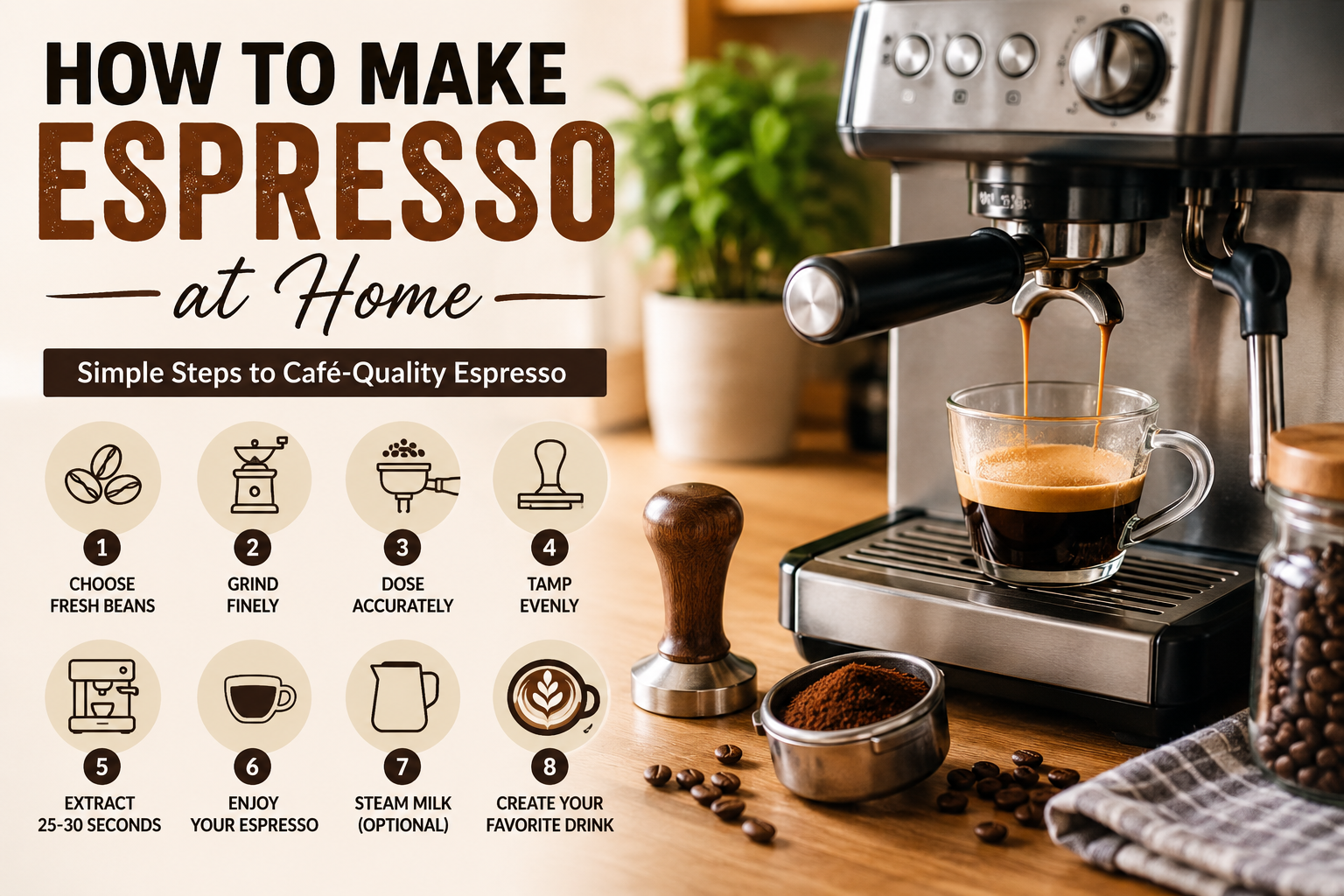
How to Make Espresso at Home: A Beginner’s Guide
Making espresso at home may seem intimidating at first, but it becomes much easier once you understand the basic process. Whether you recently bought your first espresso machine or want to improve your coffee routine, learning the fundamentals can help you produce richer, more consistent shots and enjoy café-style drinks without leaving home.
Espresso is the foundation of many popular coffee beverages, including cappuccinos, lattes, flat whites, and Americanos. A well-prepared shot should have a balanced flavor, pleasant aroma, and a layer of crema on top. While professional baristas spend years refining their techniques, home users can achieve excellent results by focusing on a few key principles.
What Is Espresso?
Espresso is a concentrated coffee beverage created by forcing hot water through finely ground coffee under pressure. Unlike drip coffee, espresso uses a much shorter brewing time and a finer grind size, producing a stronger and more intense flavor.
A typical espresso shot contains a rich body, complex flavors, and a layer of golden-brown crema. The quality of the shot depends on factors such as coffee freshness, grind size, water temperature, pressure, and extraction time.
Equipment You Need
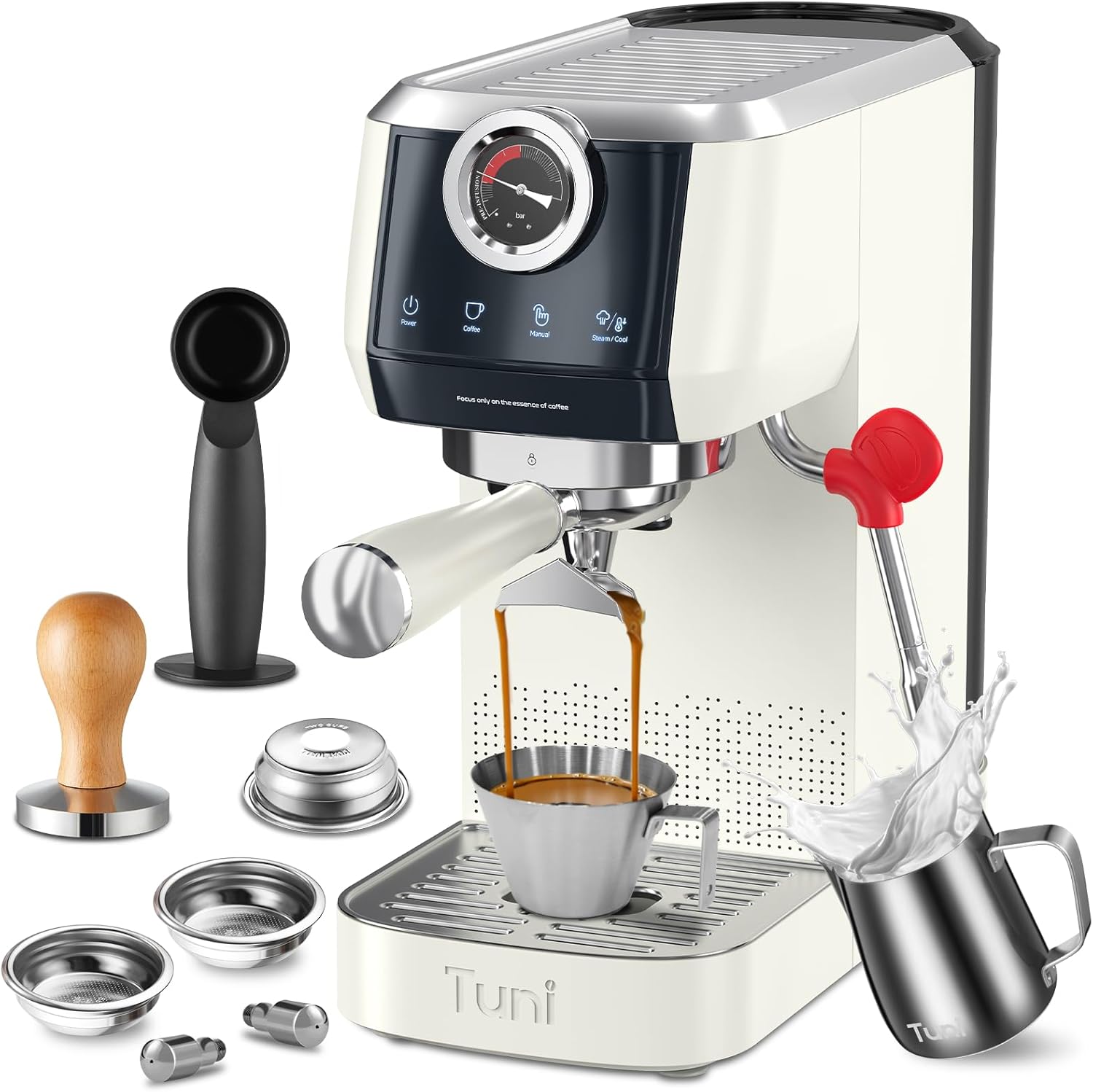
Before making espresso at home, gather the essential equipment:
- Espresso machine
- Coffee grinder or built-in grinder
- Fresh coffee beans
- Tamper
- Scale (recommended)
- Filtered water
- Milk pitcher for milk-based drinks
While premium equipment can improve consistency, beginners can still make enjoyable espresso using entry-level machines and a quality grinder.
Choose Fresh Coffee Beans
Fresh coffee beans play a major role in espresso quality. Ideally, use beans roasted within the last few weeks. Coffee that has been sitting for months often loses aroma and produces weaker crema.
Many espresso drinkers prefer medium-dark or dark roasts because they provide a richer body and more traditional espresso flavor. However, medium roasts can also work well and often highlight more sweetness and fruit notes.
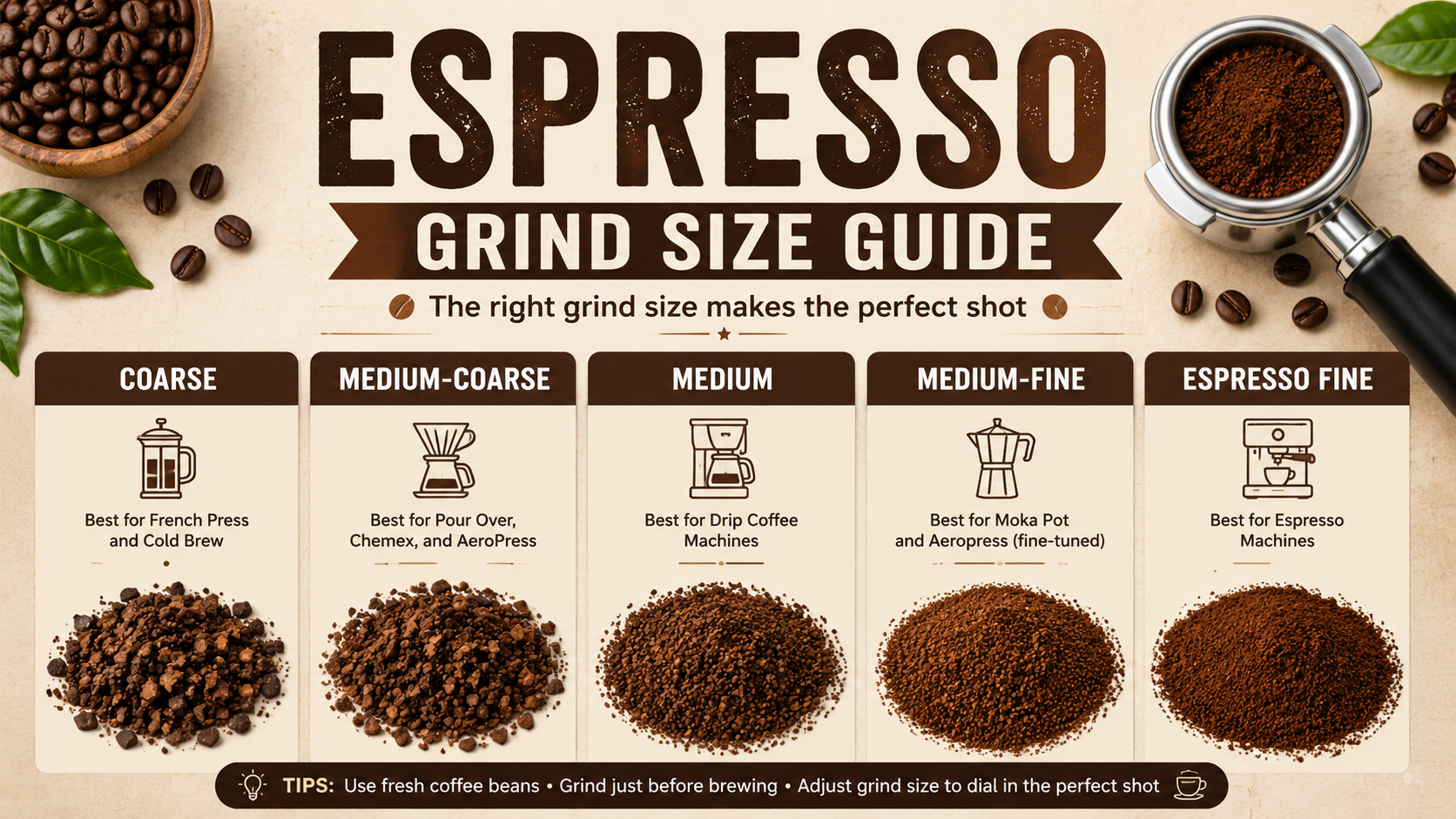
Dial In Your Grind Size
Grind size is one of the most important variables in espresso preparation. Espresso requires a much finer grind than drip coffee.
If the grind is too coarse, water flows through too quickly and the shot may taste sour or weak. If the grind is too fine, extraction becomes slow and the shot may taste bitter or over-extracted.
A good starting point is aiming for a shot that takes roughly 25–30 seconds from the moment extraction begins.
Measure Your Coffee Dose
Consistency is easier when you use a coffee scale. Most double-shot baskets perform well with approximately 16–20 grams of coffee, depending on the machine and basket size.
Using the same dose every time helps eliminate variables and makes troubleshooting much easier.
Tamp Evenly
After adding coffee to the portafilter basket, distribute the grounds evenly and tamp firmly. The goal is to create a level coffee bed that allows water to flow uniformly through the puck.
Uneven tamping can cause channeling, where water finds weak spots and extracts coffee inconsistently.
Pull The Espresso Shot
Lock the portafilter into the machine and start extraction. Watch the flow carefully.
A well-extracted espresso shot typically begins slowly and develops into a smooth, steady stream. The color often starts dark and gradually becomes lighter as extraction progresses.
Many home users aim for a brewing ratio near 1:2. For example, 18 grams of coffee may produce around 36 grams of espresso.
Evaluate The Results
After brewing, taste the espresso and evaluate the outcome.
- Sour taste often indicates under-extraction.
- Bitter taste often suggests over-extraction.
- Watery shots may require a finer grind or higher dose.
- Slow shots may require a coarser grind.
Making small adjustments one variable at a time can significantly improve consistency.
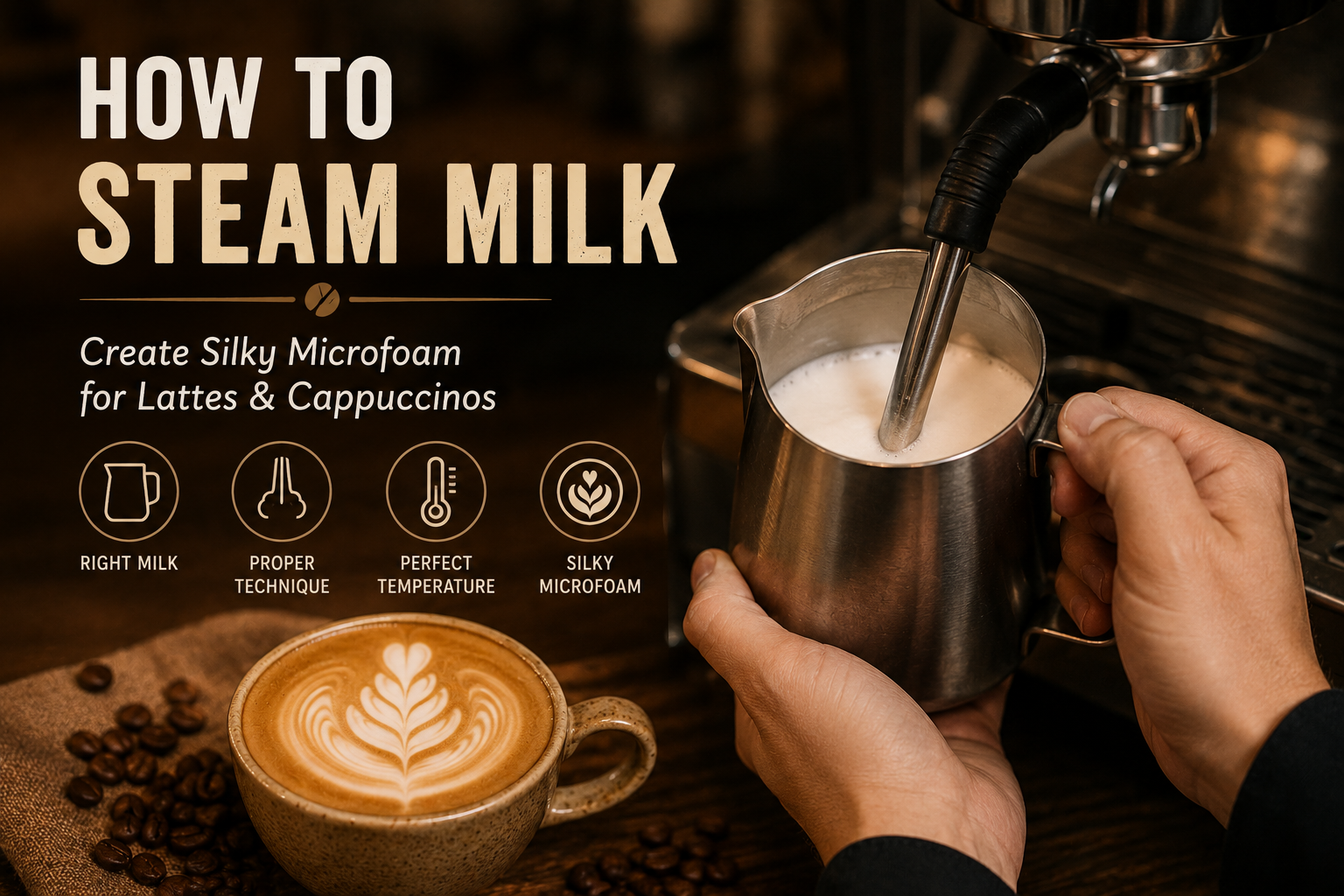
Steaming Milk For Lattes And Cappuccinos
If your machine includes a steam wand, you can create milk-based drinks such as lattes and cappuccinos.
Fill a milk pitcher about one-third full with cold milk. Position the steam wand near the milk surface and introduce a small amount of air before lowering the wand slightly to create a whirlpool effect.
Properly steamed milk should appear glossy and smooth without large bubbles.
Common Beginner Mistakes
Using Stale Coffee
Fresh beans generally produce better flavor and crema than old coffee.
Ignoring Grind Adjustments
Small grind changes can dramatically affect extraction quality.
Skipping Machine Warm-Up
Allow the machine enough time to reach stable brewing temperature.
Poor Cleaning Habits
Old coffee oils and milk residue can negatively affect flavor and machine performance.
Cleaning And Maintenance
Regular maintenance helps keep espresso quality consistent and extends machine lifespan.
- Clean the steam wand after each use.
- Rinse the portafilter regularly.
- Empty the drip tray frequently.
- Descale according to manufacturer recommendations.
- Replace water filters when necessary.
How Long Does It Take To Learn Espresso?
Most beginners can make enjoyable espresso within a few days of practice. Developing consistency may take several weeks as you learn how grind size, dose, and extraction time influence flavor.
The learning curve is part of the experience, and many coffee enthusiasts find espresso preparation rewarding because of the ability to fine-tune every variable.
Final Thoughts
Making espresso at home does not require professional barista experience. By focusing on fresh coffee beans, proper grinding, consistent dosing, and careful extraction, most home users can produce excellent espresso and milk-based drinks.
Start with the basics, make gradual adjustments, and practice regularly. Over time, you will develop a workflow that delivers consistent and enjoyable results while helping you get the most from your espresso machine.



Write Your Review
No reviews yet. Be the first to share your experience!